How to watch Will Smith’s global adventure and what it shows
Will Smith is back on screen in a very different way. This time, he is not playing a character. He is living one.
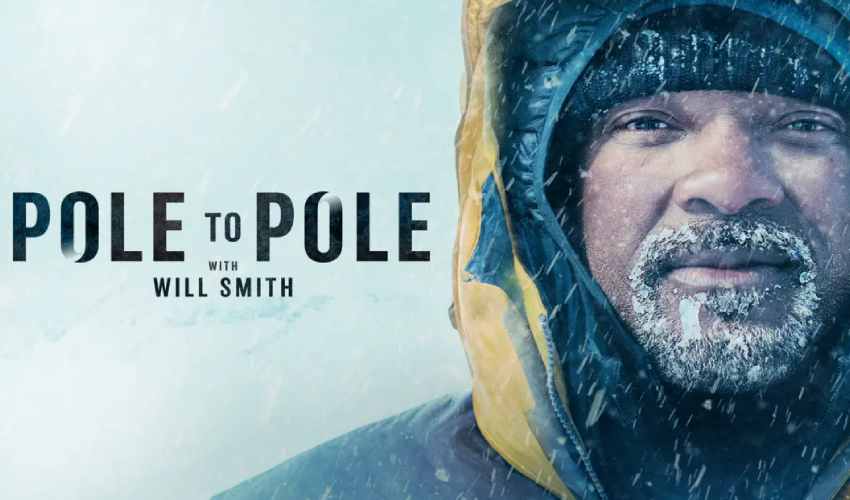
Pole to Pole with Will Smith, National Geographic’s new seven-part documentary, started airing on January 13, 2026. The series follows Smith as he travels from Antarctica to the Arctic, crossing all seven continents in just over three months. The goal is simple on paper — go from the South Pole to the North Pole — but what happens in between is anything but easy.
The idea for the project came from someone close to Smith, his late mentor, and that personal connection runs quietly through every episode. This is not a flashy travel show. It feels more like a long, difficult journey that just happens to be filmed.
100 days, seven continents, the journey of a lifetime. Join Will Smith as he travels pole to pole with scientists conducting groundbreaking research at the edges of the world.#PoleToPole with Will Smith premieres January 13 at 9/8c on @NatGeoTV. Streaming on @DisneyPlus and… pic.twitter.com/CNl6oGncFe
— National Geographic (@NatGeo) December 11, 2025
Where viewers can watch it
The series premiered on National Geographic Channel on January 13 at 9 p.m. Eastern. For those who prefer streaming, it becomes available on Disney+ and Hulu from January 14. That gives fans more than one way to follow the trip, whether on television or online.
What happens across the seven episodes
“This was a bad idea… the whole, the whole idea.” – Will Smith
— Nat Geo India (@NatGeoIndia) January 13, 2026
Ever wondered what it’s like to chase happiness across the extremes of our planet?
Remote islands, secret languages, Himalayan heights, and frozen oceans. pic.twitter.com/eqtWg8LSoJ
The journey opens in Antarctica. Smith starts in brutal cold, skiing and walking across the South Pole in conditions that drop far below zero. The wind, the ice, and the isolation make it one of the toughest starts imaginable.
From there, he moves into the Amazon rainforest. One episode shows him lowering himself into a cave to collect venom from a tarantula. Another takes him into dark rivers as he looks for the massive green anaconda. These are not staged moments. You can see the tension in his face.
The series then shifts to Asia, where Smith travels through Bhutan in the Himalayas. This part is quieter and more reflective, focused on the country’s famous ideas about happiness and balance. Later, in the Pacific Islands, he meets local communities, studies marine life, and helps record a language that is close to being lost.
In Africa’s Kalahari Desert, Smith joins the San people on a traditional hunt. It is hot, exhausting, and far from comfortable, but it shows how people have survived in that land for generations. The final chapter takes him to the North Pole, where he dives beneath thick Arctic ice to collect scientific samples, bringing the journey to a dramatic end.
Why people are talking about it
What makes Pole to Pole stand out is how real it feels. There are no studio sets or scripted lines. Smith struggles. He gets tired. He looks scared at times. And that is what makes it work.
The series also has a strong focus on science and the environment. Viewers see how climate, wildlife, and human life are tied together, even in the most remote corners of the world.
By the time the final episode ends, it feels like more than a travel show. It feels like a story about pushing past fear, learning from the planet, and understanding how small we really are in such a big world.


